
Introduction
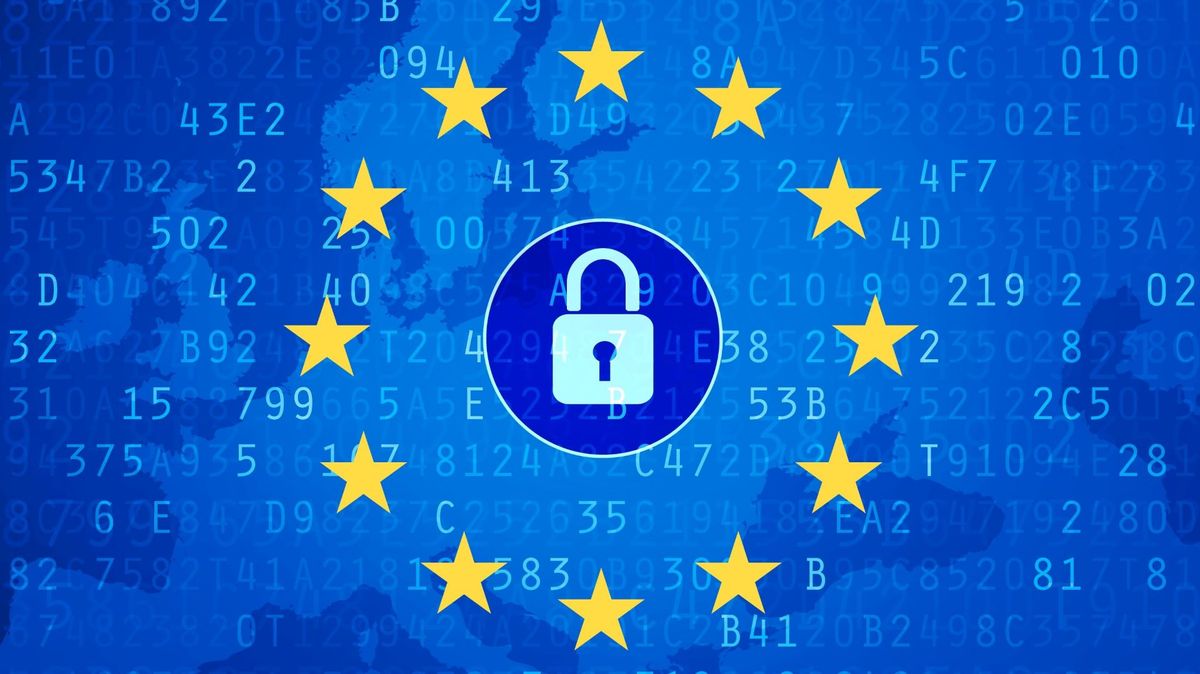
Data is the most precious digital asset in today’s more integrated world. The issue of who owns the data—where it is kept, how it is computed, and to whom it must be published—is what determines not just a nation’s economic competitiveness but its sovereignty as well. To the EU, digital sovereignty is neither a political but a technological, economic, and issue of cultural sovereignty. The EU concept of digital sovereignty is examined here, in connection with initiatives like GAIA-X and the European Cloud, as well as in connection with threats generated through dependency on US and Chinese technology. —
Understanding Digital Sovereignty
Digital sovereignty is a matter of having our own digital platforms, infrastructure, and data and not relying as much on foreigners. For the European Union, it would mean that significant digital infrastructures and services are created, hosted, and controlled in accordance with European values, law, and security principles. It is a matter of creating a world where European data remains in European hands and is not under foreign political or commercial control.
GAIA-X: A European Cloud Vision
One of its digital sovereignty flagship projects is GAIA-X, launched by France and Germany in 2019. GAIA-X is not a single cloud but an architecture to combine existing European cloud providers already established on the market and be interoperable, open, and EU data protection regulation-compliant, for example, the GDPR.
GAIA-X’s vision is to create a federated data infrastructure that is trusted where governments, industry, and research institutions are able to share and use data without being tied to the market-dominant US or Chinese providers’ platforms. With a spirit of trust, GAIA-X wants to support Europe’s digital economy and make national providers globally competitive.
The European Cloud: Sovereign Infrastructure
Aside from GAIA-X, European Cloud‘s overall strategy is to construct high-performing, secure, and sustainable European cloud infrastructures. It’s a public-private investment initiative in data centers, networking devices, and software ecosystems.
The European Cloud attempts to reverse the flow of things nowadays where US companies like Amazon Web Services, Microsoft Azure, and Google Cloud are the leaders in cloud services in Europe. Even if they have extremely powerful and popular platforms, they are governed under US laws and therefore cause disparities with the security and privacy measures of Europe.
Risks of Over-Relying on the US and China
Dependence on non-European technology giants on the part of Europe nowadays involves some risks:
- Legality Problems: US legislation such as the CLOUD Act compels American businesses to hand over data stored outside the country, which could contravene EU privacy laws.
- Strategic Exposure: Dependence on third-party vendors can lead to monetary as well as security risks, particularly when geopolitics come into play.
- Innovation Ability Disability: Excessive dependence on extraneous technology prevents Europe from creating its own competitive digital solutions and reduces its contribution to the world technology competition.
State control of data and data export are the dark sides of China’s rapidly rising technology ability. European policymakers worry that patronizing Chinese infrastructure would put sensitive systems within the hands and eyes of adversaries.
Why Digital Sovereignty Matters
Maintaining European digital sovereignty is not isolationism; it is making Europe independent to participate in the global digital economy on its own initiative. Sovereign digital infrastructure empowers:
- Security: Protecting sensitive data from foreign interference.
- Economic Growth: Building indigenous technology companies and innovation.
- Regulatory Alignment: Enabling digital services to be aligned with European regulation and ethics.
- Values: Protecting Europe’s definition of privacy, transparency, and democratic responsibility.
Conclusion
Digital sovereignty is a 21st-century necessity for Europe. Initiatives such as GAIA-X and the European Cloud are steps in the right direction towards regaining control of data and digital infrastructure. But sustained investment, political will, and collaboration between EU member states will ultimately make long-term sovereignty a reality.
For policy-makers, experts, and citizens, accepting and investing in such projects is recommended. The choices made today will define Europe as a digital continent tomorrow—choices that will decide whether the continent is to continue being a foreign passive consumer of technology or have the capability to be a world-class leader for safe, independent, and moral digital systems.