

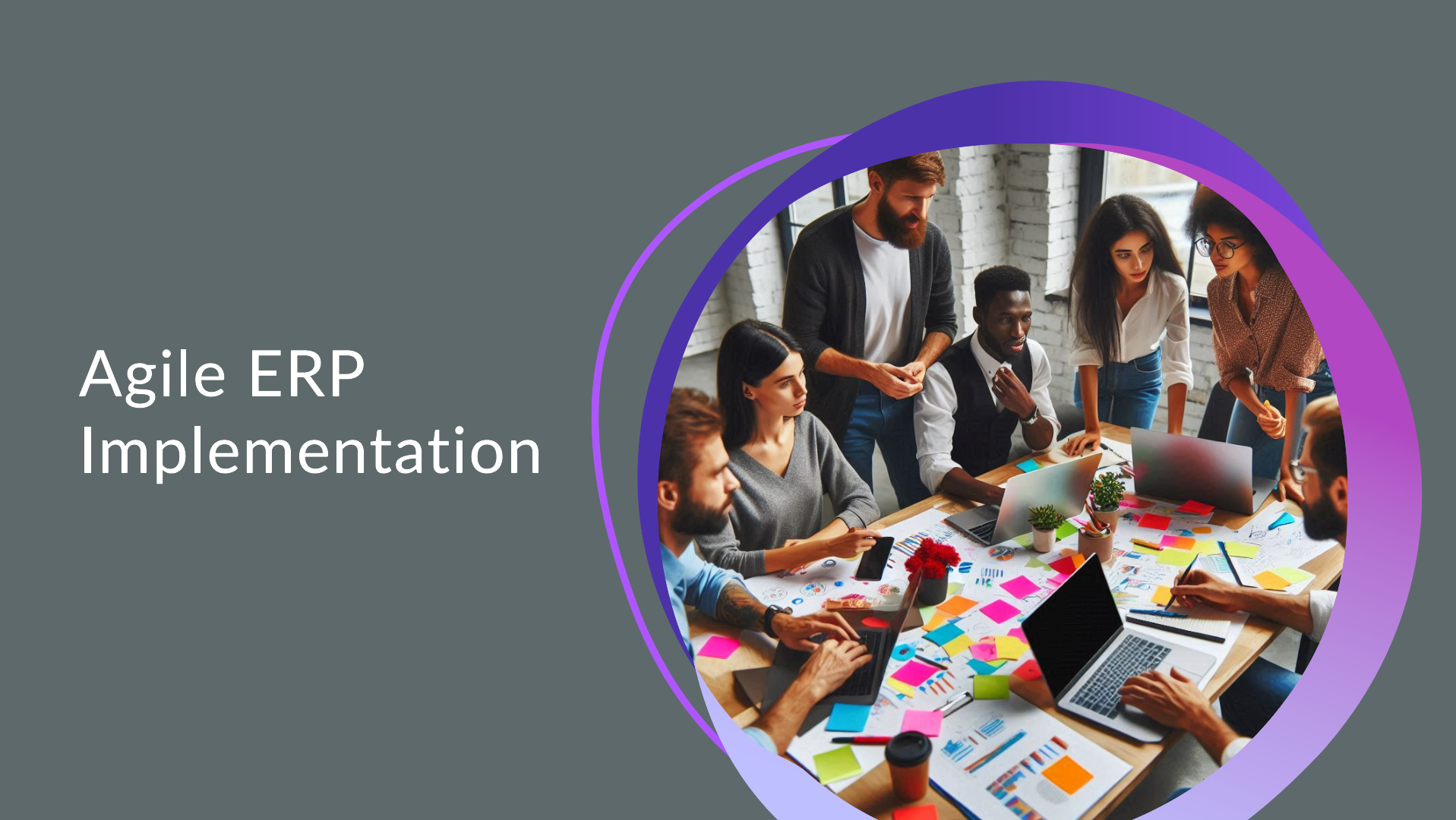
Given the rapid-fire and dynamic conditions of modern business, old-fashioned waterfall-type SAP ERP development and deployment methodologies are being supplemented or substituted with growing frequency by agile practice. Agile’s emphasis on adaptability, teamwork, and incremental refinement is an effective vehicle for managing the complexity that exists in SAP ERP initiatives—enabling firms to bring faster value and increased alignment of ERP solutions to the needs of the business.
SAP ERP Project Agility Requirements
SAP ERP projects are business livelihood, typically representing humongous, large-scale implementations with substantial scope involving greater than one business function and department. Traditional project management methodologies don’t quite suffice under the circumstances since they exhibit rigid plans, long cycles, and few chances for in-course adjustments.
Agile addresses these challenges by breaking down projects into minute pieces in the form of sprints or iterations, and delivering working pieces or increments at regular intervals. It encourages continuous feedback, testing at an early stage, and a faster response to shifting requirements, which is very helpful in SAP implementations that have to adapt with dynamic business processes.
Agile Principles Applied to SAP ERP
- Incremental Delivery: SAP teams never hold back on releasing all the features but deliver incremental functional pieces. This allows quicker realization of benefit and reduces the risk associated with the huge monolithic release.
- Cross-Functional Teams: Agile makes it easier to get business users, developers, consultants, and testers together in co-located or distributed teams. This multidisciplinary approach provides more clarity to the requirements and accelerates issue solving.
- Frequent Feedback and Testing: Ongoing demos and user acceptance testing (UAT) during sprints guarantee solutions meet expectations and quality levels, reducing costly rework.
- Flexibility to Change: Agile does not shy away from changing business priorities, regulatory changes, and technology refreshes, which are normally found in SAP implementations.
- Communication and Openness: Stand-up meetings, sprint reviews, and retrospectives offer open communication channels, certain bottlenecks, and ongoing improved productivity by the team.
Benefits of Agile in SAP ERP Development and Deployment
- Less Time to Value: Early releases and frequent releases allow businesses to achieve SAP value in a shorter time, leading to accelerated ROI.
- Increased End User Involvement: Greater end-user engagement leads to better solution alignment and greater user satisfaction.
- Less Risk: Incremental development enables early detection of technical or business issues, which prevents surprises down the line.
- Improved Quality: Continuous testing and continuous improvement lead to overall better reliability and performance of SAP systems.
- Innovation Adaptability: Agile enables the addition of future SAP technologies, such as SAP S/4HANA, cloud extensions, and AI capabilities, without sacrificing core business activity.
Challenges and Best Practices
Facilitating agile in SAP ERP environments does have drawbacks:
- Culture Shift: Previously waterfall-process teams must learn new teamwork and delivery models.
- Complex Interdependencies: Interdependent intricate SAP landscapes require careful sprint planning.
- Governance Change: Integrating agility into governance and compliance requires transparent processes.
- Coaching and Instruction: Success hinges on effective agile coaches and SAP-suited agile practices.
Best practices to overcome these challenges are piloting projects, scaling agile practices incrementally, mapping agile to SAP Activate methodology, and using automated testing and DevOps tools for integrating and delivering smoothly.
Conclusion
Agile methodology implementation in SAP ERP development and implementation makes organizations more adaptive to change, their capability to deliver quality solution in components, and meaningful involvement of stakeholders throughout the project life cycle. Agile changes the character of SAP ERP projects into lively, interactive endeavors that develop business value and innovation.
This article focuses on the strategic importance of adopting agile principles in SAP ERP projects to achieve relevance and success in the digital enterprise age.