
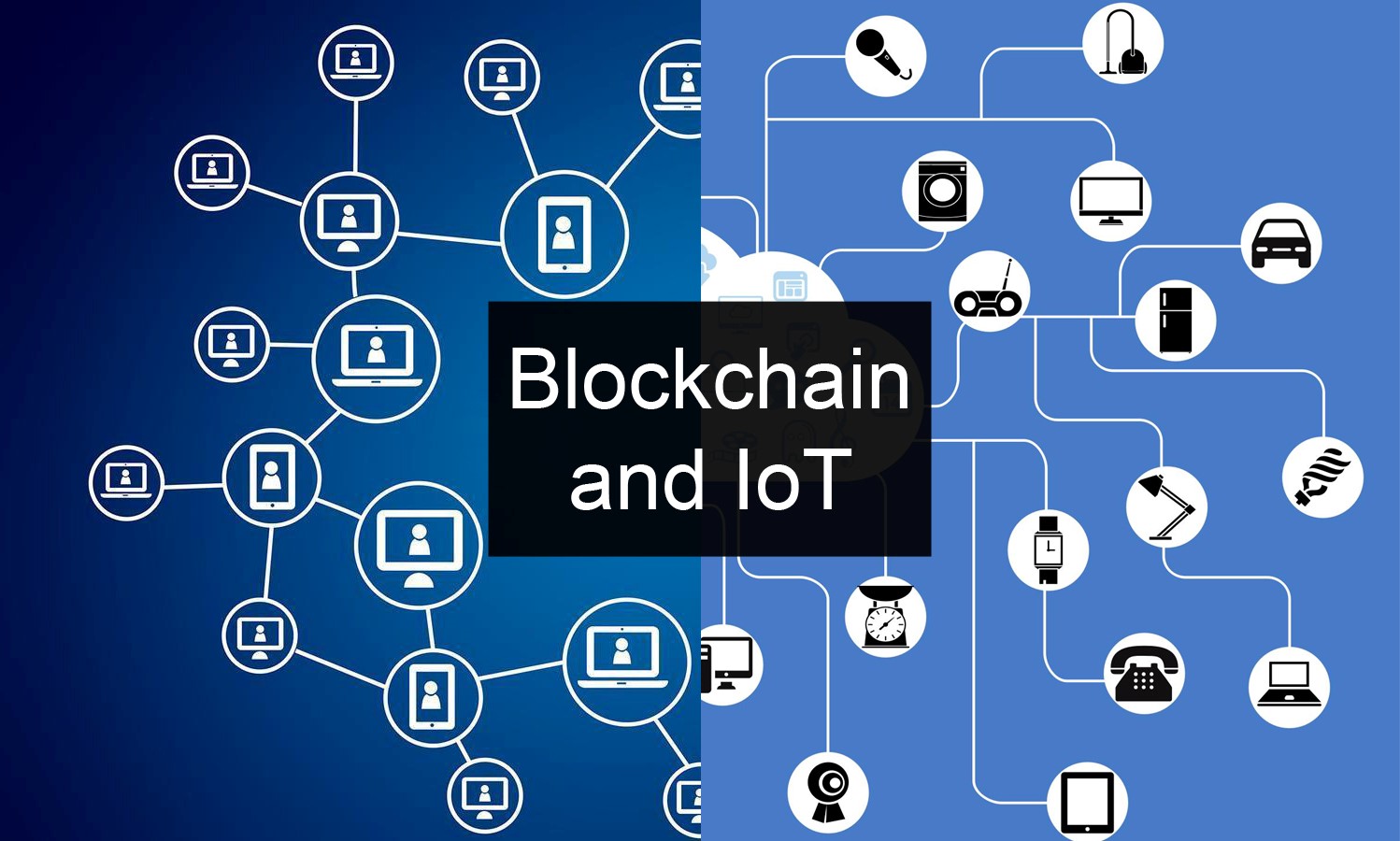
Blockchain and Internet of Things (IoT) convergence is transforming business markets with the provision of security, transparency, automation of processes, and improving network devices’ efficiency. Blockchain and IoT convergence in 2025 is the very foundation for unleashing the potential of fully using IoT ecosystems and the overcoming of the most challenging obstacles to data integrity and trust in networks.
Blockchain-IoT Convergence: What It Affects
Blockchain technology offers a secure, tamper-proof ledger for secure, tamper-proof IoT data logging and smart contract execution by automation. Through IoT, businesses can avoid the traditional limitations of centralized control, single points of failure, and insecure communication among IoT systems.
Convergence enables:
- Secure device identity management
- Trustless automated processes and transactions
- Transparent, verifiable data provenance
- Enhanced data privacy and tamper-resistance
With blockchain, IoT networks are decentralized and middlemen go-betweens are minimized, lowering operating expenses and improving immunity from cyber-attacks.
Most Popular Use Cases in 2025
- Supply Chain and Logistics
Current shipping conditions are monitored with IoT sensors, where the data is safely stored in blockchains. This provides auditable transparency of location, temperature, and custody, prevents any fraud, and initiates payment on delivery confirmation using smart contracts. - Smart Cities and Infrastructure
Internet of Things devices, being blockchain-protected, are accountable for controlling traffic flow, energy provision, public safety, and waste. Blockchain ensures decentralized control and data integrity for efficient transparent operation of cities. - Medical Devices and Healthcare
Health information are securely preserved on blockchains to provide privacy as well as management of data access.
Drug chains use blockchain to authenticate drugs and screen drug counterfeits. - Autonomous Vehicles and Vehicle Fleets
Blockchain protects vehicle-to-vehicle communication from hacking.
IoT tracks fleet movement and blockchain tracks accuracy in information, with smart contracts automatically calculating tolls and rentals. - Smart Farming and Agriculture
IoT tracks livestock, weather, and the globe; blockchain tracks crop records to provide product integrity while allowing automatic disease medication and watering.
Security Issues and Challenges
Despite the advantages, the combination of blockchain and IoT introduces new security issues:
- Scalability: IoT generates heaps of data; traditional blockchains are struggling with throughput and latency. Layer-2 solutions and sharding are in the works but future to implement.
- Interoperability: IoT devices and blockchain protocols from various sources must be in standard formats to enable smooth integration.
- Resource Constraints: IoT devices possess constraining computation and power resources, which make them unsuitable for participation in the blockchain consensus.
- Privacy: Public blockchains will expose IoT sensitive information unless they come with privacy-protection technology.
- Attack Surfaces: The convergence of two new technologies will likely offer likely vectors for cyberattacks, demanding effective multilayered protection.
These issues are countered by research, standardization, and hybrid design architecture combining on-chain and off-chain tech.
Future Outlook
The future appears bright with increasing adoption of blockchain-IoT solutions in every industry. Artificial intelligence, lightweight consensus algorithms, cross-chain compatibility, and edge computing are enabling scalability and security.
Decentralized identity management and smart contracts empower trustless IoT networks to automate that support autonomous, efficient, and secure digital space. Companies that use such solutions can attain operational efficiency and competitive advantage in an increasingly digital economy.
Conclusion
Blockchain-IoT convergence is revolutionizing the game of controlling connected devices through secure, transparent, and decentralized architecture. Supply chain to smart cities applications illustrate worthier relevance, but scalability and privacy remain priority to tackle.
Merged even further in 2025 between blockchain and IoT, it possesses the ability to unlock new horizons of innovation, security, and operational efficiency critical for the world connected’s future.