
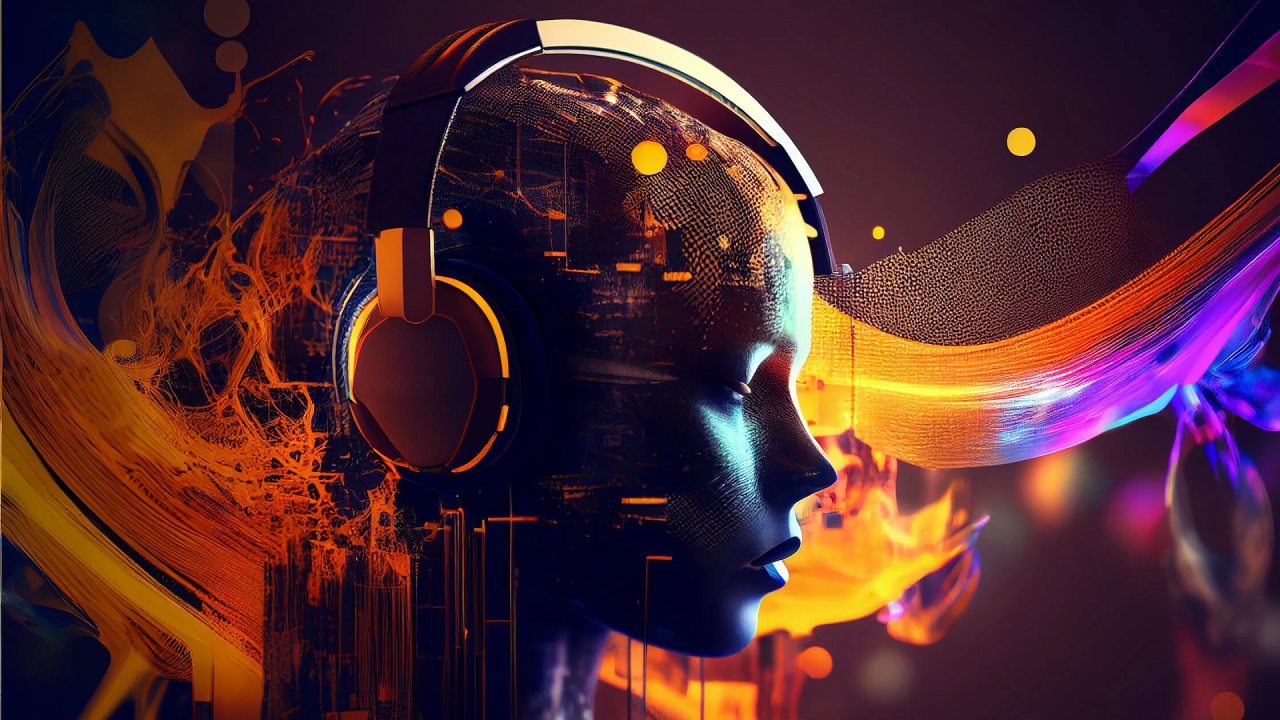
Generative AI, as of 2025, has transformed creative businesses as an artist, musician, author, and designer human co-creator collaborator. Based on big data sets, machine learning, and pattern identification, generative AI technology generates new content in a wide variety of forms including text, images, music, and video—well beyond production, optimization, and consumption of creative work.
Multimodal Capabilities Trends
These new developments have generated multimodal AI able to produce perfectly synchronized content of text, image, and audio from a single prompt. For example, an AI can generate a script, generate supporting images, and build a soundtrack in parallel. This synchronization offers new opportunities for film production, advertising, video games, and education on the basis of more evolved, intriguing products.
Creative Collaboration and Hyper-Personalization
Generative AI technologies have emerged as intelligent assistants that complement and not replace human imagination. Creative professionals use AI in ideation, editing initial drafts, and piloting the newest trends. Composers collaborate with style-conscious models, and designers create new prototypes at unprecedented speeds.
Hyper-personalized experiences themselves are becoming more prevalent that personalize content to individual tastes in real time. From product imagery optimized for e-commerce to learning content and interactive game worlds, new AI-generated in the moment, hyper-personalized, context-aware content.
Real-Time Generation and AI-Generated Code
Speed is one of the characteristics of generative AI in 2025. Real-time language interpretation, video content creation, and interactive narrative worlds are now becoming the norm for customer engagement and entertainment. AI also revolutionizes software development, with robotic code procedures making way for developers to move away from manual coding to concentrate on validation and creativity.
Ethical and Practical Considerations
As human and machine imagination blur through generative AI, authorship, originality, and copyright concerns lag behind. Provenance and watermarking practices built into the work are being implemented to validate AI-created works and fight disinformation. Legislators and technologists demand that moral norms be set under which AI tools are maintained in openness, fairness, and respect for creators.
Conclusion
Generative AI is not a tool anymore in 2025 but an active creative collaborator that enhances human productivity and creativity. With personalization, real-time generation, and multimodal creation, it is revolutionizing software development, music, art, and content creation. While humans are building new moral frontiers, generative AI envisions a future with human-AI collaboration as the source of creativity.