
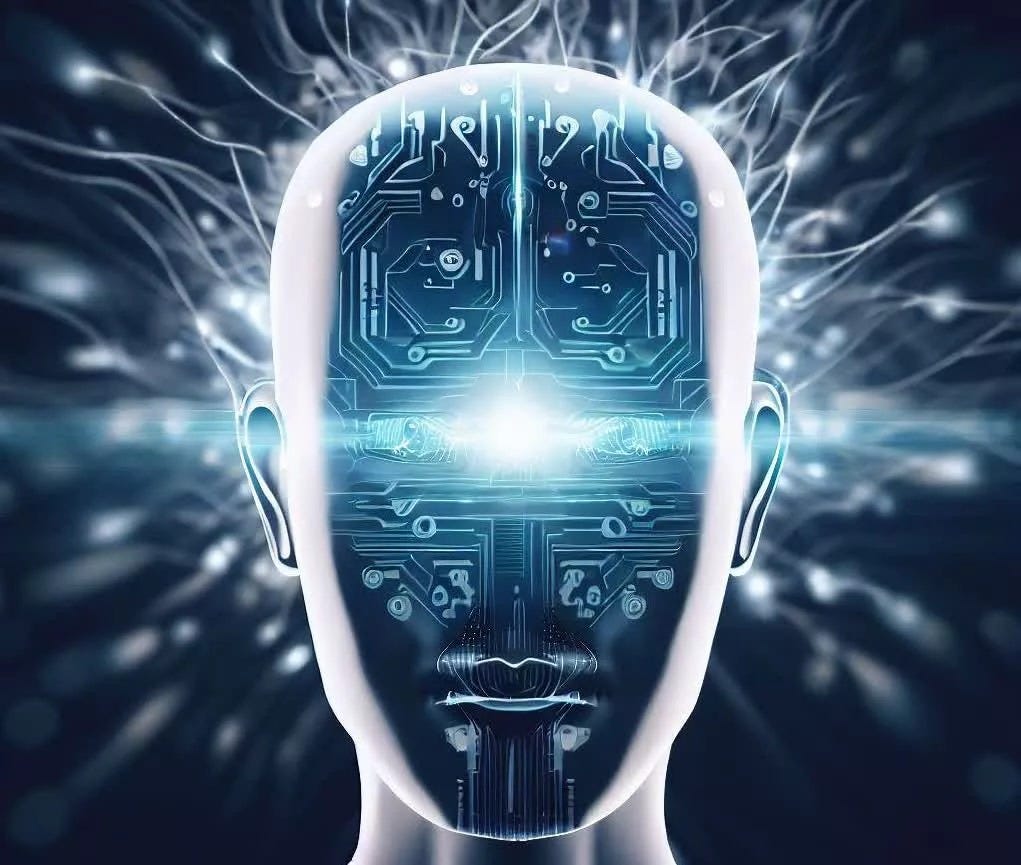
In an increasingly tight labor market , companies face a paradox: the demand for specialized skills is growing, but the supply of skilled workers is scarce. While automation and AI offer machine-side solutions, a new frontier for human capital is emerging: neurotechnology for cognitive enhancement .
It’s no longer just science fiction. Tools once relegated to medical laboratories are entering offices to help professionals perform at their best.
Why Neurotech in the Job Market?
When you can’t find new employees, the only viable option is to make existing ones more efficient, creative, and less prone to burnout. Cognitive enhancement aims to optimize brain performance through:
- Improving attention: Wearables that monitor brainwaves (EEG) to signal when concentration lapses, helping you stay in “flow . ”
- Accelerated Learning (Reskilling): Neurofeedback techniques that can reduce the time it takes to learn new technical skills, which are essential in rapidly changing markets.
- Stress Management: Nerve stimulation devices (such as vagus nerve stimulation) that help regulate the nervous system, preventing exhaustion in high-pressure environments.
Key Technologies
Current neurotechnological solutions are mainly divided into two categories:
- Passive Monitoring: Wearables that read brain activity to provide real-time data on mental fatigue and cognitive load. This allows managers (and employees themselves) to understand when it’s time for a regenerative break.
- Active Intervention: Low-intensity transcranial direct current stimulation (tDCS) devices designed to “excite” specific areas of the brain responsible for memory or problem-solving.
The Ethical Challenge: The Line Between Efficiency and Pressure
The introduction of neurotech into the workplace raises profound questions that cannot be ignored:
- Mental Privacy: Who owns our brainwave data? The risk of employers monitoring mental “engagement” raises serious privacy concerns.
- Cognitive Inequality: Will those with access to these enhancements have an unfair advantage? A hierarchy could emerge between “augmented” and “natural” workers.
- Right to Mental Disconnect: The pressure to always be at the top of your game could eliminate the human right to be tired, distracted, or simply to rest.
Conclusion: A New Standard of Productivity?
In a world where talent is the scarcest resource, neurotechnology offers a way to expand human capabilities rather than replace them. However, the success of this revolution will depend not only on the effectiveness of chips, but on companies’ ability to create a work culture that respects the mental integrity of workers.
Cognitive enhancement shouldn’t be about squeezing every last drop of productivity out of people, but about equipping them to navigate a complex world with greater clarity and less stress.