

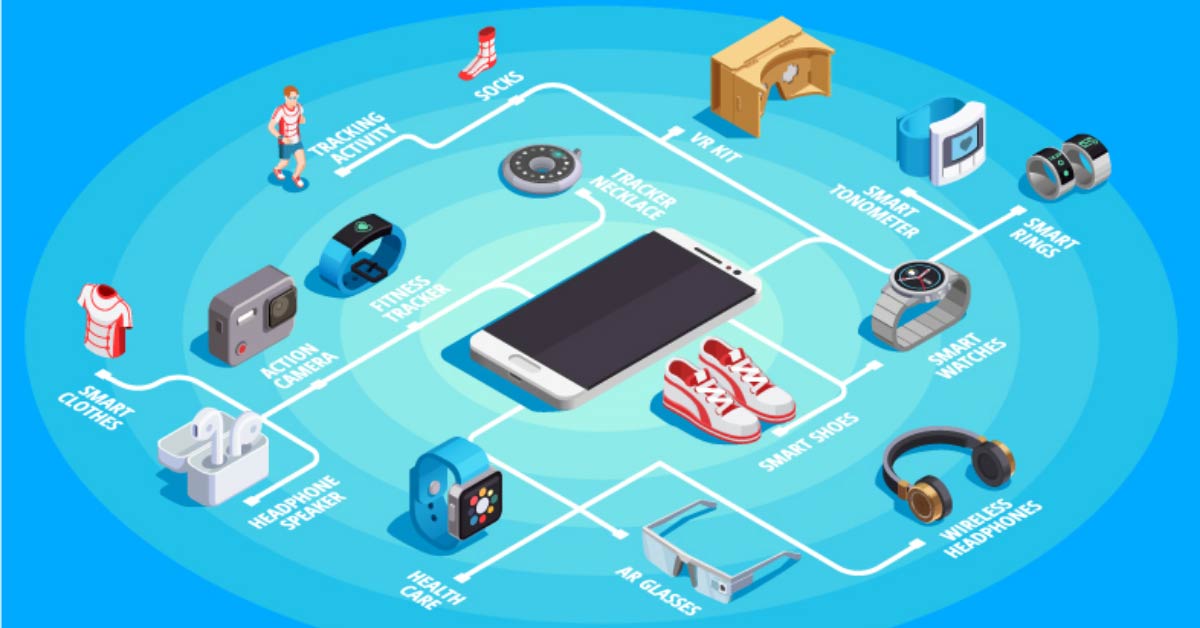
It would be a life where health is being monitored at each and every instant of the day, fully integrated into daily activities, rather than by visiting the doctor. Indeed, such a world has been brought into reality through wearable health monitoring systems because of the powerful combination of IoT technology coupled with AI.
What are wearable health monitors?
Wearable health monitors are intelligent devices in the form of a wristband, smartwatches, or even skin patches that have sensors embedded to track every vital sign, such as heart rate, blood oxygen level, blood pressure, body temperature, and activity pattern. These devices capture data continuously, at every moment, thus enabling them to portray a seamless picture of health for an individual.
IoT Power: Connect Everything Anywhere
IoT links these devices with your smartphone and cloud servers or medical platforms through which the transfer and storage of health data are made easy. In this way, your information is not constrained to only your device but is made available to healthcare professionals and applications that keep on analyzing the trends and notify you in case something needs attention.
Artificial Intelligence: From Raw Data to Meaningful Insights
AI is really what makes such systems revolutionary in that its algorithms for machine learning analyze big streams of data coming from wearables, learn what’s normal for your body, and pick up those subtle changes that can be the first signs of illness. For example, the AI may recognize irregular heart rhythms or patterns of reduced oxygen intake-even before symptoms can be felt.
Apart from personalized insights, some examples of tailored recommendations for themselves include reminders to move, suggestions to improve sleep habits, or alerts to consult a doctor. More data, with continuous learning by AI, translates into smarter and more accurate health monitoring over time.
Benefits for All Continuous monitoring may avail complication warnings on time and reduce the visits to the hospital, more so for the chronic patients. This will help a person maintain good health and detect disease in its early stages. It enables remote monitoring and thereby cuts down costs, hence enhancing efficiency in health systems. Challenges and the Road Ahead Though huge progress is made, yet to be overcome are challenges on data privacy, battery life, and explanation of AI both to the users and doctors in a transparent way. Yet, ongoing research and innovation are rapidly addressing these. The future appears promising even on smaller implantable devices, deeper AI-driven disease prediction, and seamless integrations with personalized medicine approaches.
Conclusion:
IoT- and AI-powered wearable health monitoring systems herald a new frontier in proactive, continuous, and personalized healthcare. Way beyond fitness trackers, they can save lives, empower, and transform healthcare delivery around the world-just with the pulse on your wrist.