

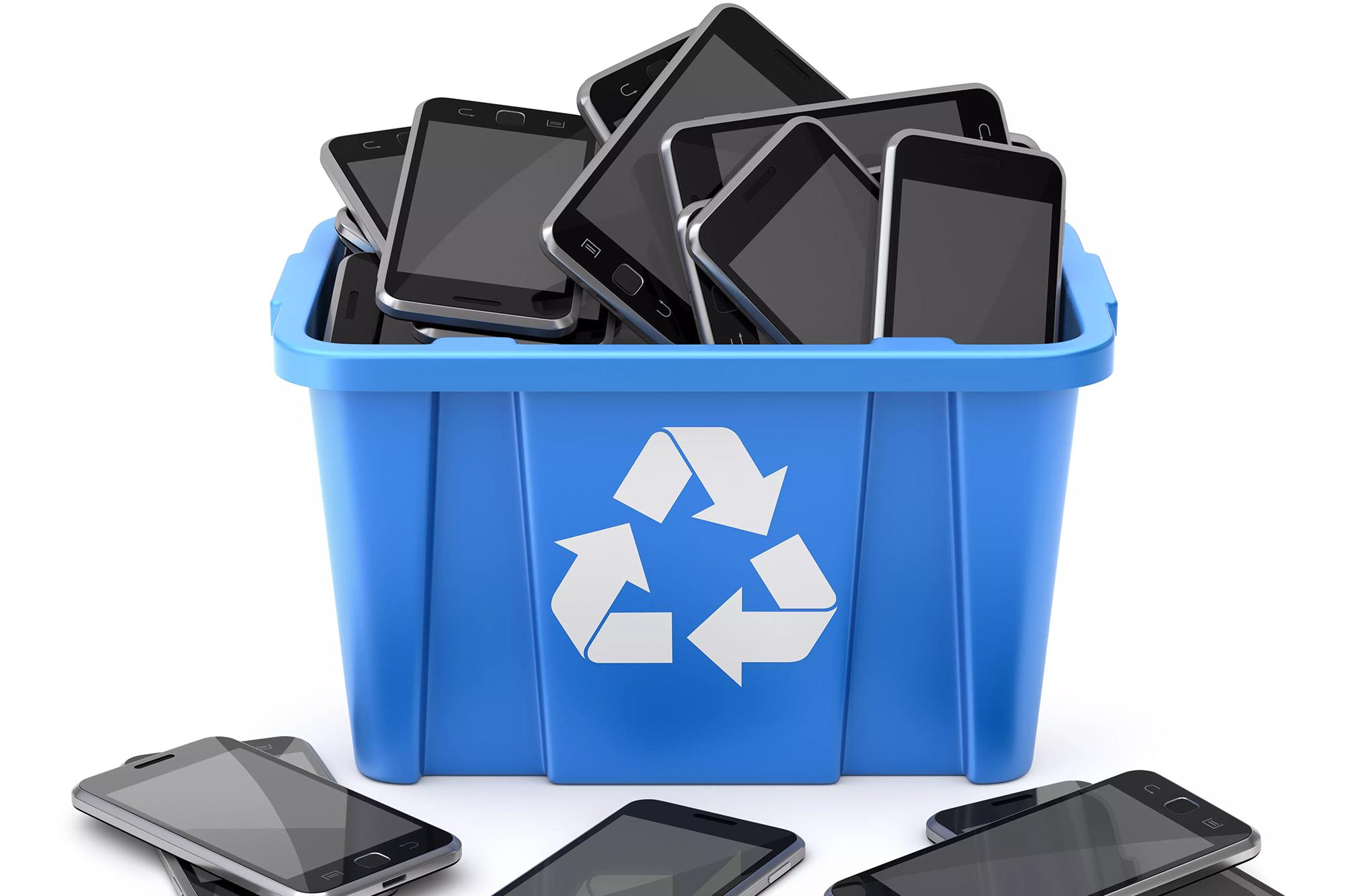
We love our smart things. They go from smart thermostats and fitness monitors to factory sensors. The Internet of Things (IoT) has it all that promises ease of use. What then happens to these things after they have done their job? We stow them in a drawer, toss them into the recycling bin, or sell them online.
This final step—decommissioning and disposal—is the weakest link in the entire IoT security chain. Each of your devices contains sensitive data, your day-to-day location history, recorded voice, or access credentials. Unless it is removed or destroyed properly, that data can become a gift to the next owner or to a hacker.
The solution is Secure Decommissioning and Secure Disposal—a critical procedure that securely wipes or cryptographically disables IoT devices at end of life. It’s the internet version of having your house keys and private diaries incinerated when you leave.
The Hidden Risks of a Simple Reset
The vast majority believe that a factory reset will be enough. It won’t.
When you perform the typical factory reset on most devices in the IoT, what gets wiped is only the pointers to the data but not the sensitive data that happens to exist on the flash memory. An easy recovery can be performed by a hacker using some simple forensic tools in the following:
- Network Credentials: IP addresses and Wi-Fi passwords one can use to map and penetrate your home network.
- Authentication Tokens: Login passwords to cloud services like Amazon or Google, even when the device is not online.
- Personal Data: Sleeping patterns, viewing videos, location tracking, and monitoring of health.
The aim of secure decommissioning is to render data unrecoverable both physically and mathematically.
The Toolkit for a Secure Digital Death
In an effort to ensure that a device is killed securely, manufacturers are employing some quite technical, automated techniques:
1. Wipeout with Cryptography (The Key Trick)
This is the most efficient and most common method. Instead of wasting hours overwriting every byte of memory (Flash chip stressing and tedious), the device uses a trick that is easier:
- Default Encryption: The memory of the device is continuously encrypted using a one-time key that is stored in hardware.
- Instant Annihilation: Upon activation to be decommissioned (user or maker), the device simply deletes the encryption key. Because the data can no longer be computed-decrypted, it is rendered instantly useless without ever having been physically extracted. It’s like putting the data in a safe and then instantly vaporizing the only key that exists.
2. Remote Wiping and Kill-Switches
For lost or failed devices, manufacturers must retain control through to the end.
- Over-the-Air (OTA) Command: A secure, unbreakable command is sent by the manufacturer’s server to the device, which is forced to execute an end-to-end data erasure process (full data overwrite or cryptographic erasure).
- Certificate Revocation: In devices that prove their identity to cloud services using digital certificates, the manufacturer can deauthorize the certificate. While the device might be operational, it cannot connect to the service or prove its identity and hence is useless to the attacker.
3. Hardware-Level Disablement
As a final option, in the scenario of highly secure industrial or medical IoT devices, is physically phasing out the hardware.
- tamper-proof Fuses: Secure chips contain microscopic, irreversible electronic “fuses” which may be blown remotely. They disable core functionality and leave the device tamperproof and permanently unusable. This is the ultimate “kill switch.”
Towards Circularity and Responsibility
Secure decommissioning is not a tech problem; it’s a matter of corporate responsibility and environmental sustainability.
By implementing secure OTA retirement mechanisms, makers not only protect their users, but also weather the inescapable device life cycle. By ensuring customers are aware their old devices are indeed clean, they’re more inclined to participate in recycling or trade-in initiatives, nudging us toward a more circular economy and curbing e-waste.
For consumers, the message is clear: always look for products from firms who clearly define end-of-life data security practices. Because in the Internet of Things, shutting down for the very last time is the last line of defense of your privacy.