

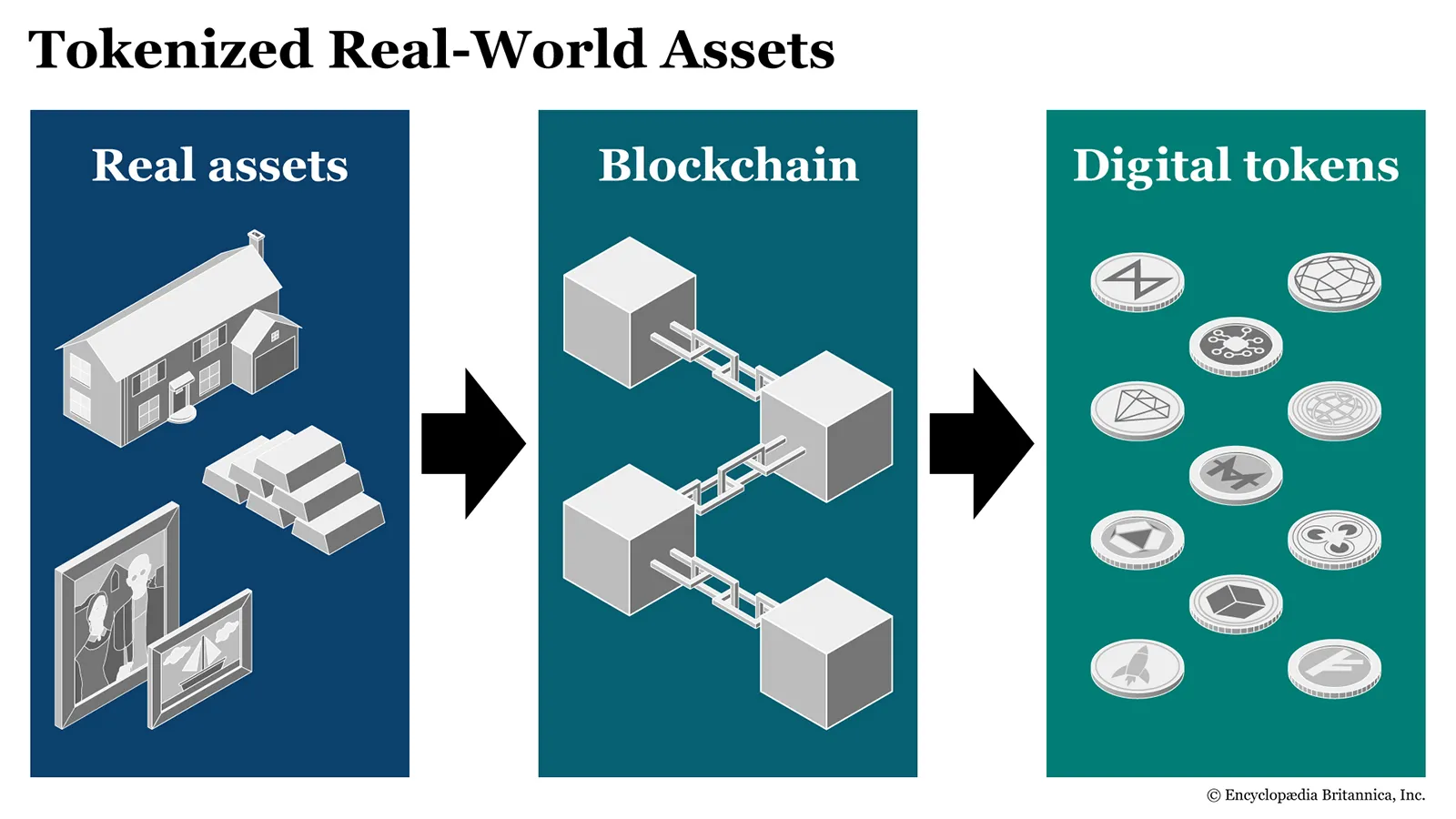
Tokenization of real-world assets (RWAs) is among the rapidly arising finance innovations that tokenize physical assets like property, bonds, commodities, and art into digital tokens on blockchain platforms. Tokenization brings greater liquidity, fractional ownership, quick settlements, and access to markets to all previously illiquid ones. But with its expansion to a $24 billion market capitalization by 2025 and projections of hitting trillions of dollars within the next decade, tokenization does have some very concrete legal, economic, and technical issues that must be solved before it can achieve mass adoption.
Legal Issues
Legal and regulatory risk is one of the major inhibitors to tokenization of RWA. The front runner among these is:
- Title Clarity and Ownership: Aligning historical property rights with digital tokens such that token holders have legally binding rights on the underlying asset is critical. Uncertainty in transferability of title and rights of token holders lowers investors’ confidence.
- Smart Contract Enforceability: Tokenization relies on smart contracts to ensure automatic transactions. Legal recognition heterogeneity between jurisdictions complicates enforcement and resolution of disputes.
- Cross-Border Regulation: Tokenized assets traverse multiple regulatory regimes, and with them, come conflicts and compliance issues. Regulators like the SEC, FCA, and ESMA are trying pilot projects and sandboxes but there is no one regime currently.
- Compliance and Anti-Money Laundering (AML): Token issuances and exchanges ought to find it necessary to implement AML, KYC, and sanctions controls to maintain market integrity and prevent crime.
Economic Challenges
Economically:
- Bottlenecks in Liquidity: Tokenization can enhance liquidity, but some of the tokens in terms of traditionally illiquid assets do not have large trading volumes and are characterized by high bid-ask spreads. No secondary markets and fragmented markets exist that can provide efficient price discovery and opportunity for exiting.
- Market Adoption and Valuation: Building reasonable fair value of tokenized assets and institutional and retail investor demand are subject to general market confidence and awareness.
- Operating and Infrastructure Costs: It is a capital-exhausting upfront investment to build compliant and scalable platforms. Token economics, like fewer middlemen and settlement times, must be attained through a successful cost model.
Technical Challenges
Technical challenges are characterized by:
- Interoperability: Heterogeneous sets of blockchain platforms and protocols have standardized solutions to enable easy exchange and transfer of tokens between ecosystems.
- Security and Custody: Protection of the tokens and the underlying assets against cyber attacks, fraud, and operational risk is of the highest priority.
- Scalability: Secure and efficient processing of large volumes of transactions requires constant innovation in blockchain scalability and consensus mechanisms.
- Data Integration: Accurate and timely asset information must supply smart contracts of the tokens to perceive real-world circumstances and events, which requires high-quality oracles and sound data governance.
Future Outlook
In spite of challenges, the future for RWA tokenization is positive. Legal environments shift as pilot regimes and legislation like the US’s GENIUS Act favor regulated stablecoins and compliant asset tokenization. Technical interoperability and DeFi integration innovation generate liquidity potential. Economic incentives through fractional ownership and settled settlements generate market interest.
Tokenization can reshape capital markets in their transparency and cost savings and reduction of frictions if legal harmonization, market infrastructure, and technical stability are built concurrently.
Conclusion
Tokenization of tangible assets promises to reshape investment democratization and unleashing new sources of capital, but the dream must be achieved overcoming intricate legal, economic, and technical challenges. Pillars of resilient tokenization ecosystems are clearly defined rights of ownership, enforceable contract law, regulatory transparency, market liquidity, interoperability, and security frameworks.
As the horizons of the spaces expand, tokenization can re-map finance from back-office equipment to public market infrastructure, toward a more efficient and more inclusive economic future.